

A new system for agency
The Fourth Way of Futurism.
A Resourceful Revolution that begins with accelerating complexity, exposes fragility, and builds the everyday practices that make coherent, lasting change possible.
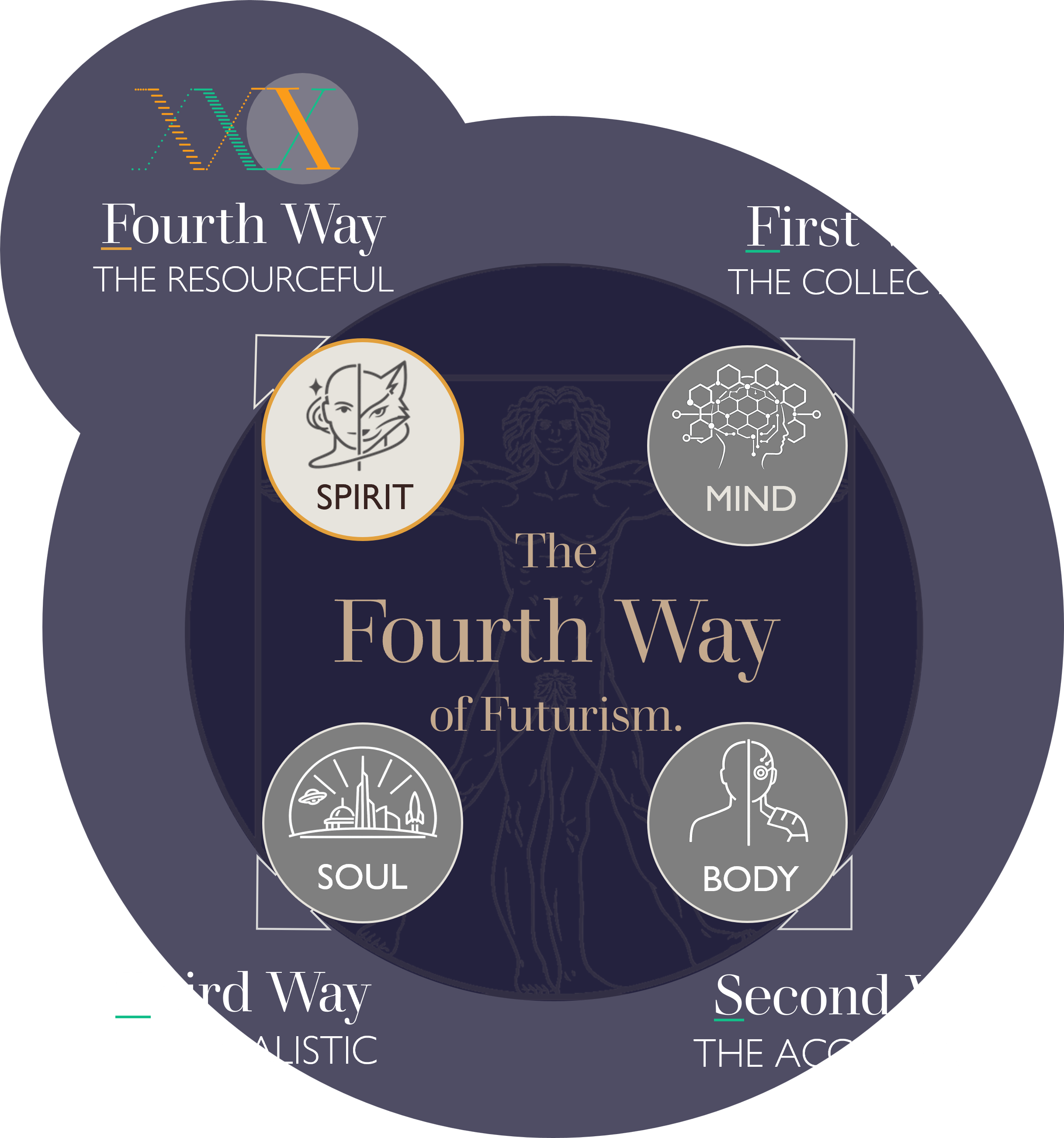
Most futurism stops at prediction. The Fourth Way connects where the world is heading with diagnosing present barriers to desired outcomes, and then offering a proven method for sustainable growth. It is the thread linking Foresight to Nearsight to Farreach.
Before the Fourth Way, futurism follows three broad paths — each powerful, but incomplete machine-led ideologies.
Resourcefulness is the defining human-led trait for this century - because people have to be worth more than their industry. For those who want their agency, not someone else’s prophecy.

Humans In The Machine is a design innovation and transformation practice that grows with people - in Startups, SMEs, MNCs and institutions - HITMˣE® for short.
Drawn from an evaluation of global business transformation, the impact of complexification, inspiration from courageous ideas and 100 years of working with businesses of all shapes and sizes.
We work best with people between worlds — humans who might feel lost in the machine: founders, leaders, creators and teams navigating the space between what was and what must come next.
-
Humans who might feel lost in the machine: founders, leaders, creators and teams navigating the space between what was and what must come next. We find causes, face consequences, think divergently and bring technology back into harmony with humanity.
The Fourth Way Method®
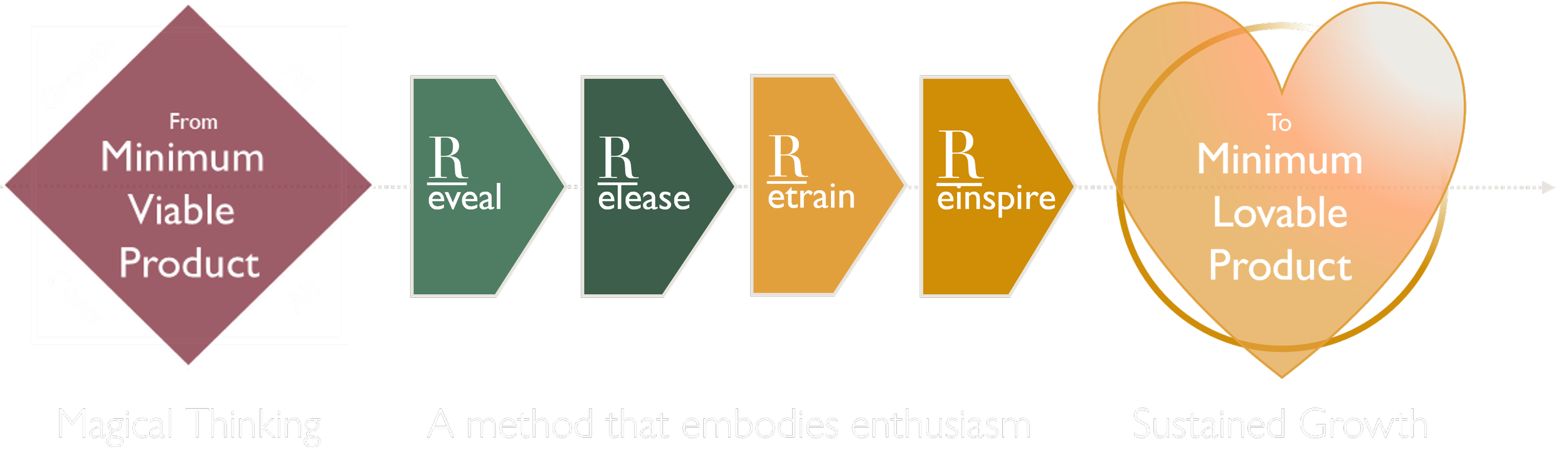
Are you experiencing growing pain?
Every person, every team and every organisation has a point where the chain is already straining, like execution bottlenecks, C-Suite misalignment, change fatigue or weak communications narrative. That’s where we start — not with visioning workshops or canvases, but with the weakest link. The place that’s constraining your growth the most. To see how the method gets moving.
HITMˣE® is a mission to become the rehumanising platform for a healthier marketplace.
Helping 1 million people achieve lasting change.
Because the future needs more courage and anyone can become more courageous.
-
By blending the imagination and science of people, with systems-thinking and AI-enabled design, we grow with people — increasing their agency and reducing dependency. Turning technology into a force for capacity, not just another IT initiative.
We offer an independent, impartial and experience-backed view of complex technological change, shaped by decades at the forefront of digitalisation. The breakthroughs, the failures, and everything in between.

The Attention Economy is thriving at our expense.
Compulsive attention‑seeking has been normalised and commoditised. The hit of short‑term validation narrows long‑term choice—turning us into centred‑selves, a culture where everyone is the protagonist and no one connects. It’s as true for the expectant social media scroller as it is for the expectant financial analyst or the expectant CEO.
-
Becomes performative parody—a trap of our own making. Exiting it requires the courage to become self‑centred in the older sense: grounded in one’s centre, oriented toward others, offering stance and substance instead of spectacle.
-
![A futuristic digital rendering of a person running on a treadmill with holographic technological overlays highlighting muscles and joints in a modern gym.]()
For Founders
Build what customers love and investors grasp
You have a early-stage business or are an investor. You’re building fast in a complex world. We help you sharpen your thinking and diagnose what’s blocking progress, turning a venture into a Minimum Lovable Product.
-
![A man in business attire is falling over a hurdle in a track event at an outdoor stadium.]()
For Owners
Build clarity, momentum and practical systems
You’re leading an established SME. You’ve outgrown the early hustle, but the next stage feels hidden. We help you diagnose any productivity gaps, make your operating system more resourceful, and build a coherent narrative.
-
![Cityscape reflected in a glass sphere on a textured surface with buildings and sky visible.]()
For Corporates
Reinvent capabilities for the network economy
You’re a marketing, technology, CX, product or HR leader navigating and executing transformation inside a large organisation. We help you diagnose systemic blockers, align specialist teams, and design cultures of enthusiasm.
-
![An audience seated in a large auditorium watching a presentation on stage where two speakers are standing, illuminated by stage lights, with a big screen behind them showing graphics.]()
For Events
Build audience enthusiasm for future possibilities
You are a Conferences or Event Organiser, Speaker Bureau, Journalist or Education Institution looking for an engaging expert speaker to present a keynote, join a panel, facilitate a workshop or author a topical piece.
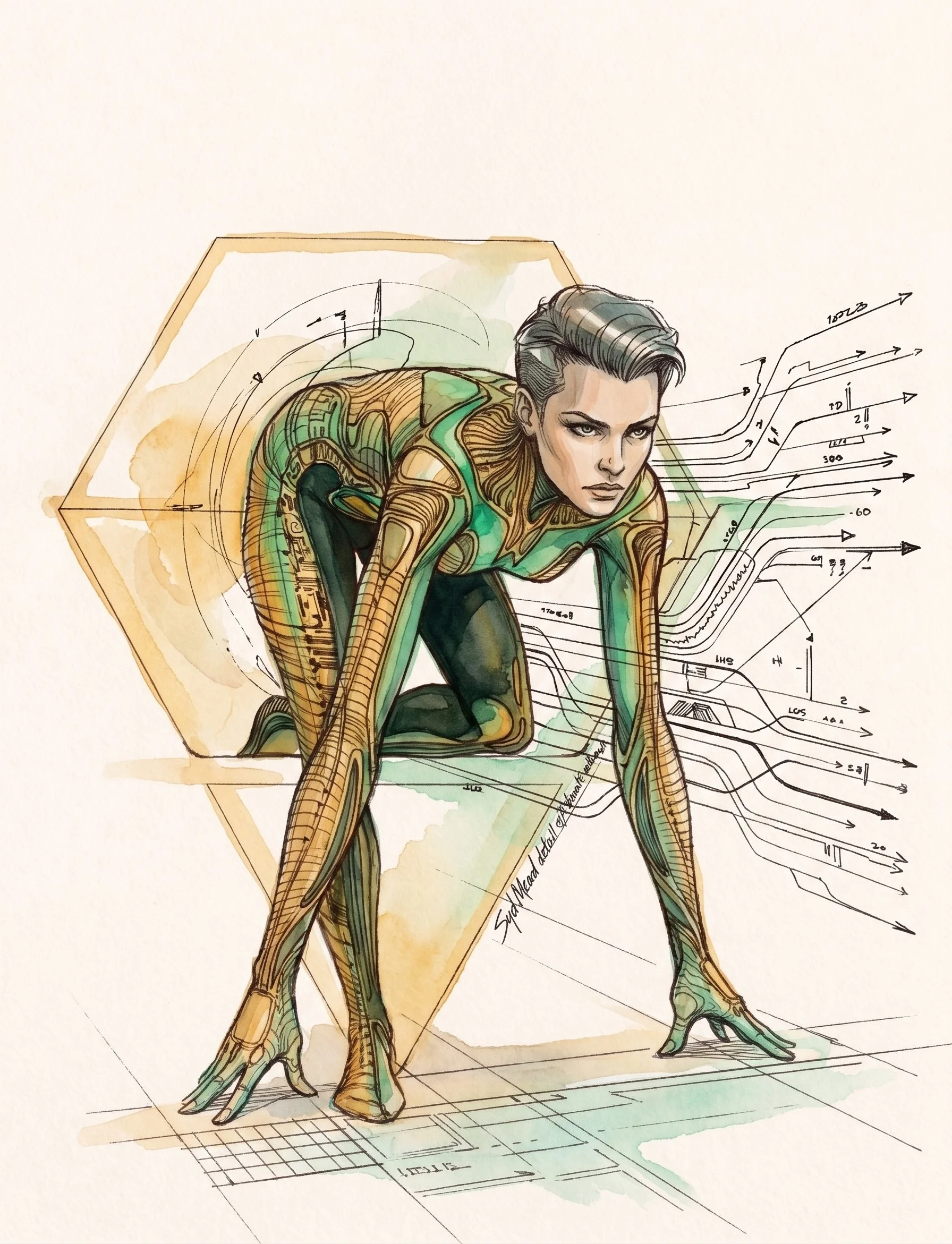
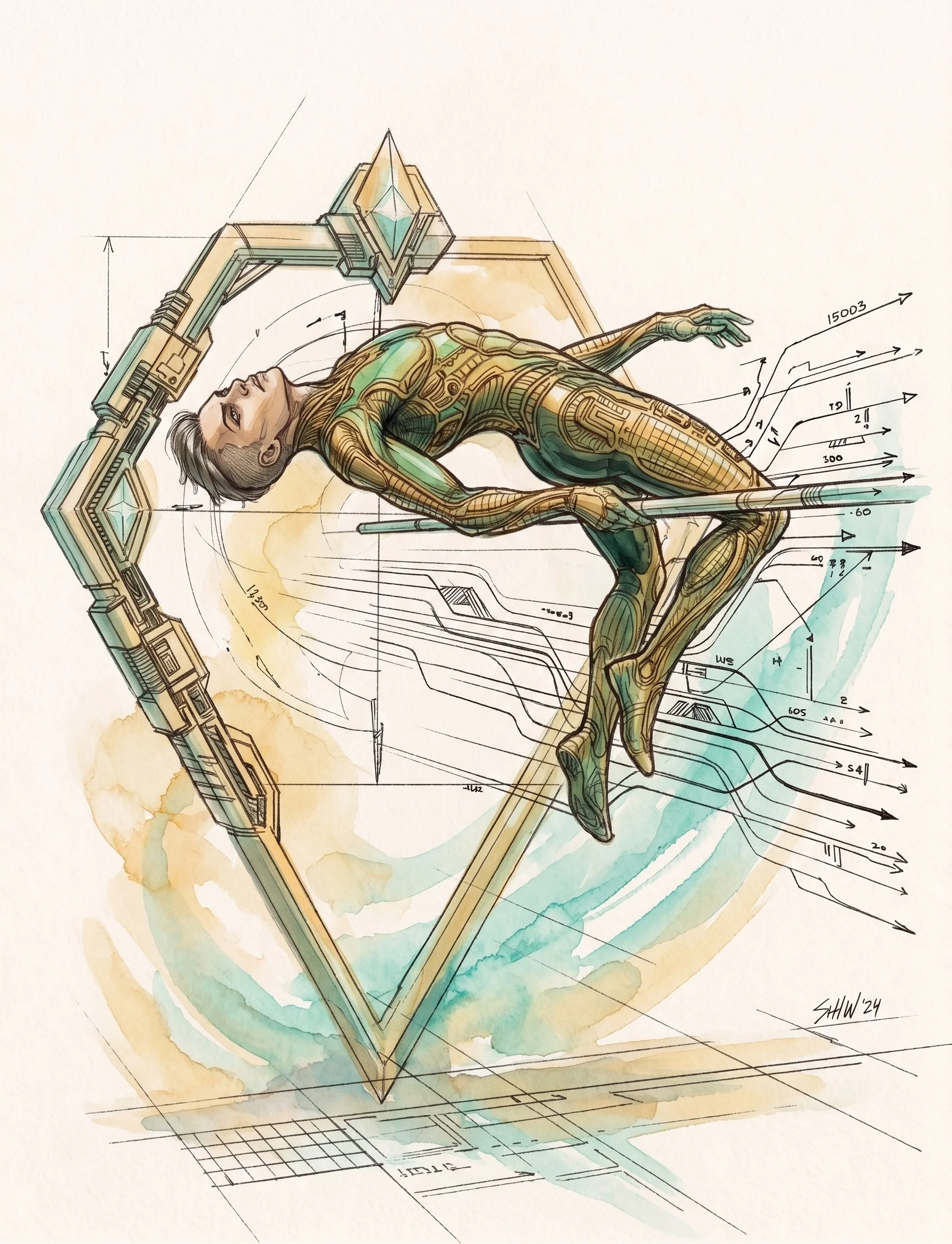
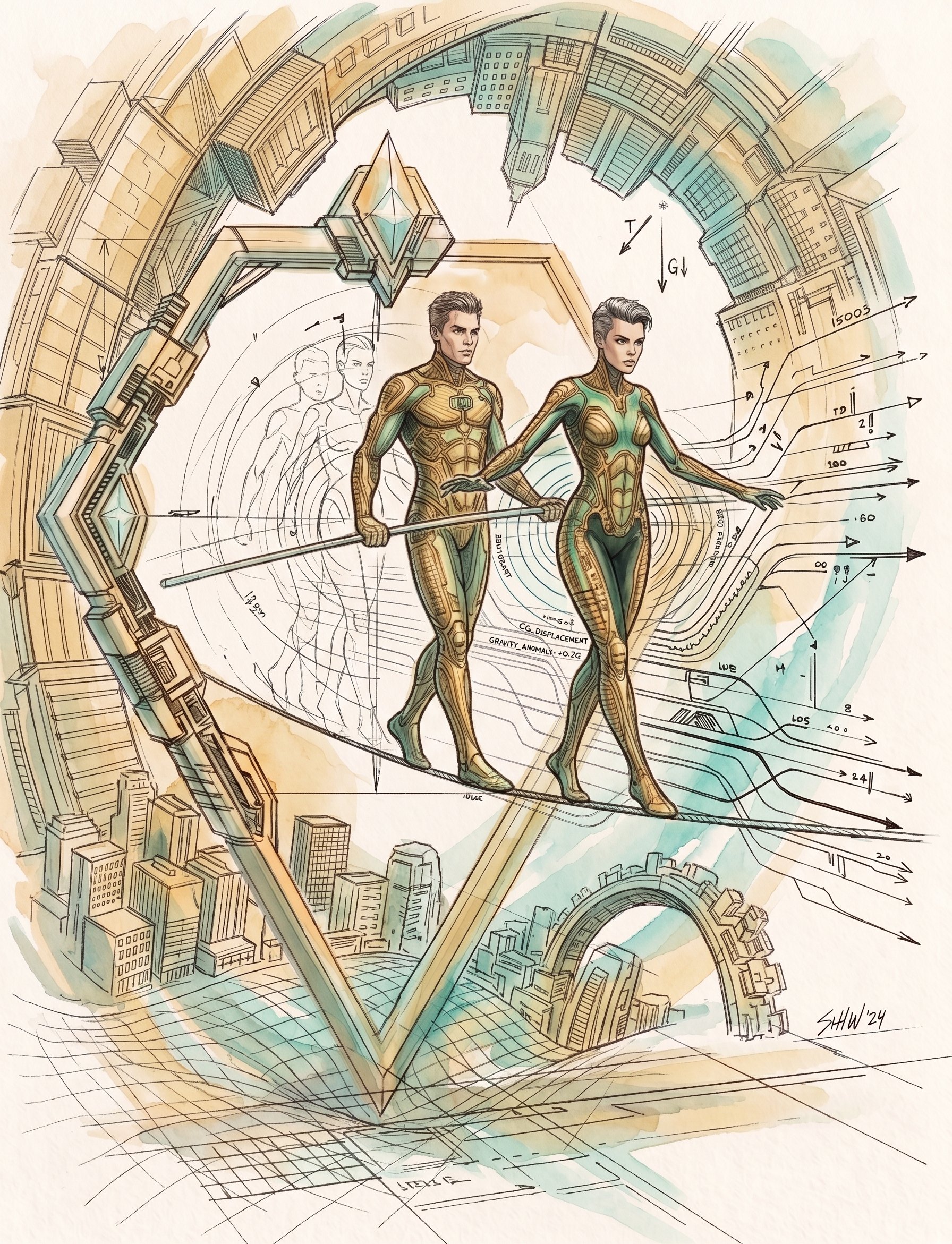
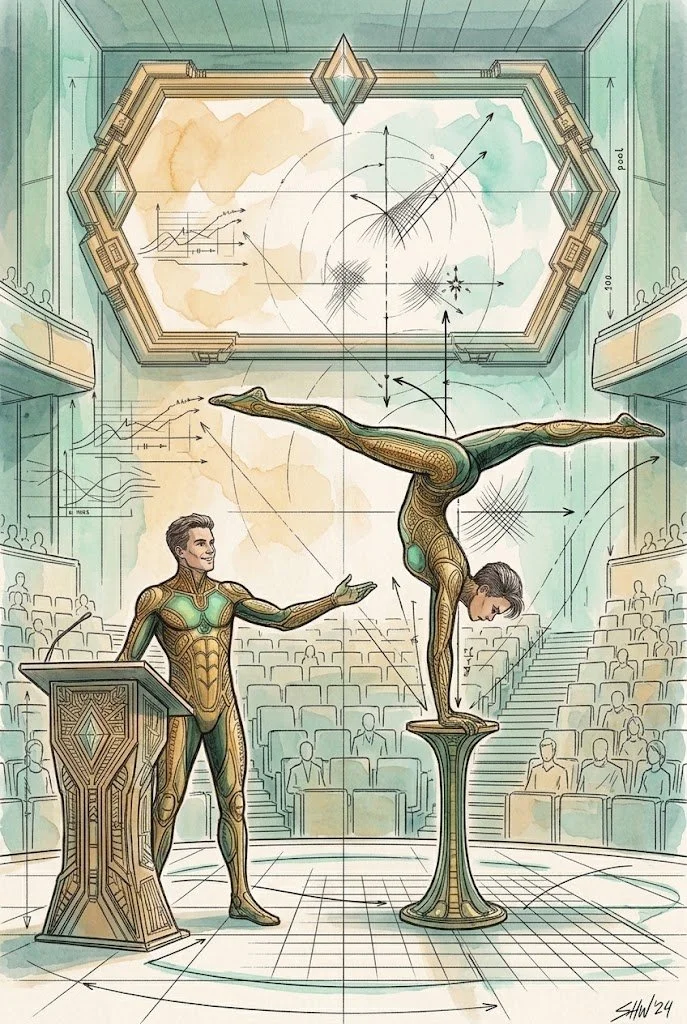
Do you find courage in the future?
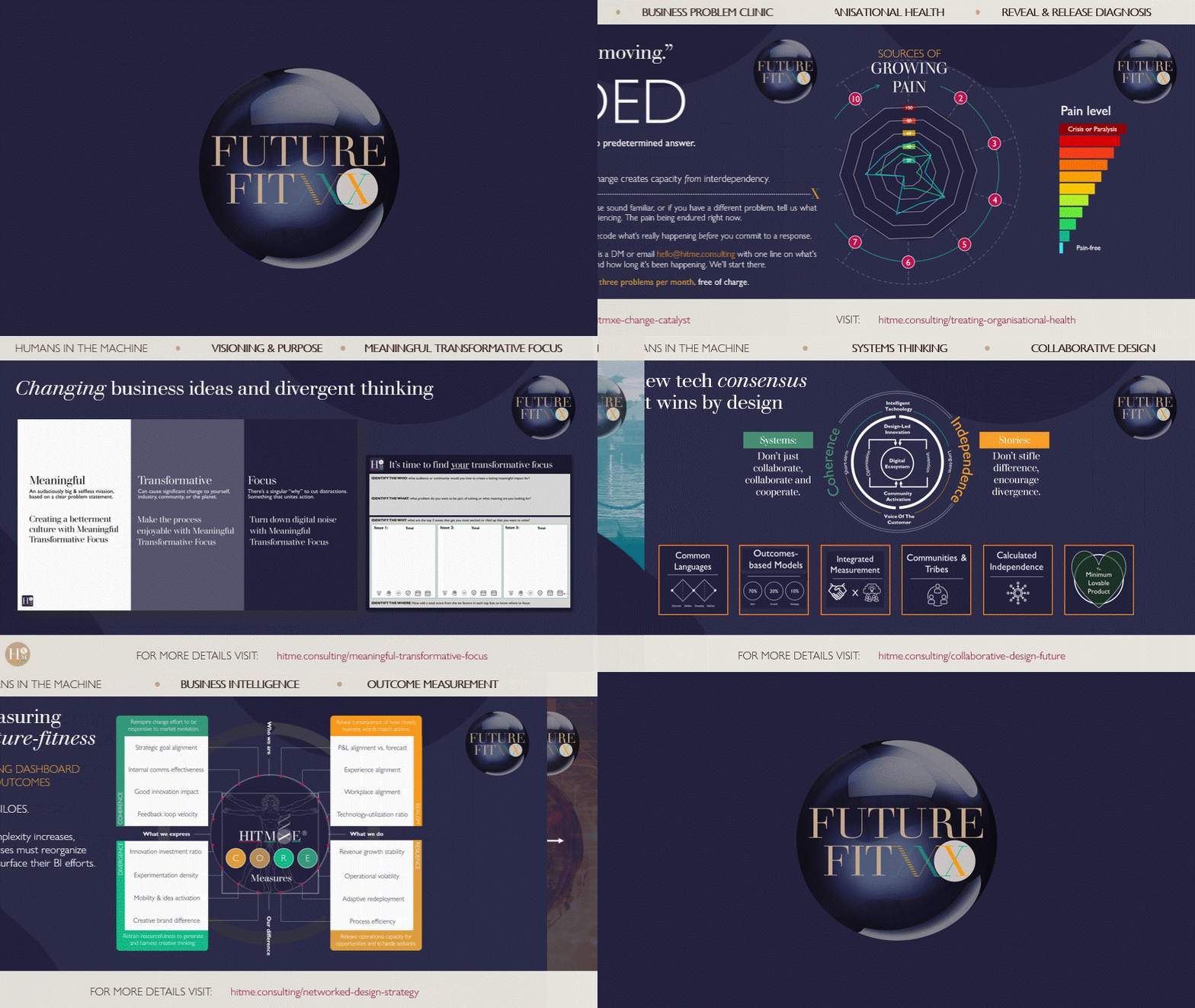
What does it mean to be Future‑fit? It means strengthening four essential outcomes: Realism, Resilience, Divergence and Coherence. Organisations that harness these outcomes outperform their peers over time. To see how we build high-performing cultures of enthusiasm.


Human design wins in the Integrated Network Economy.
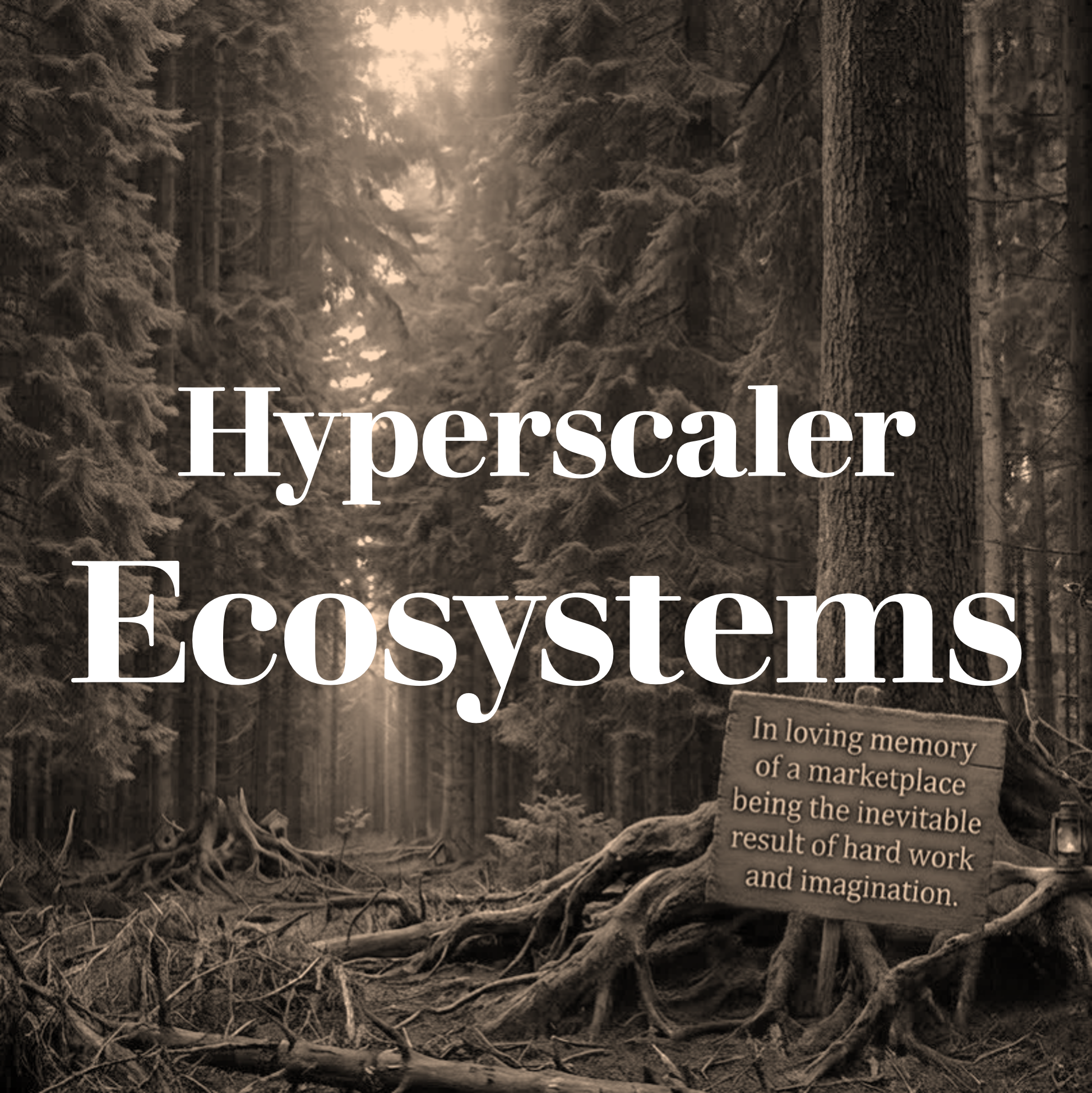
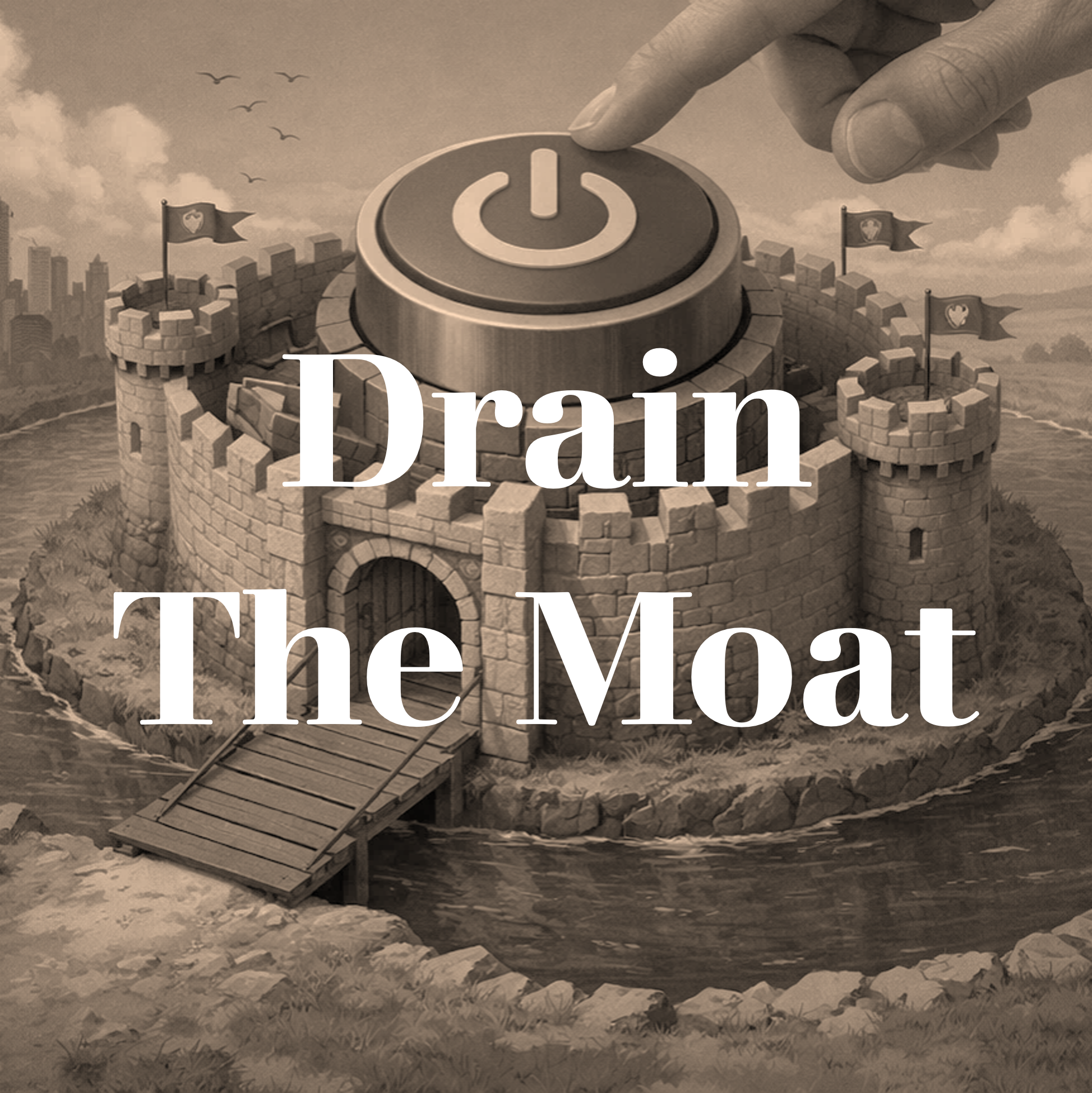
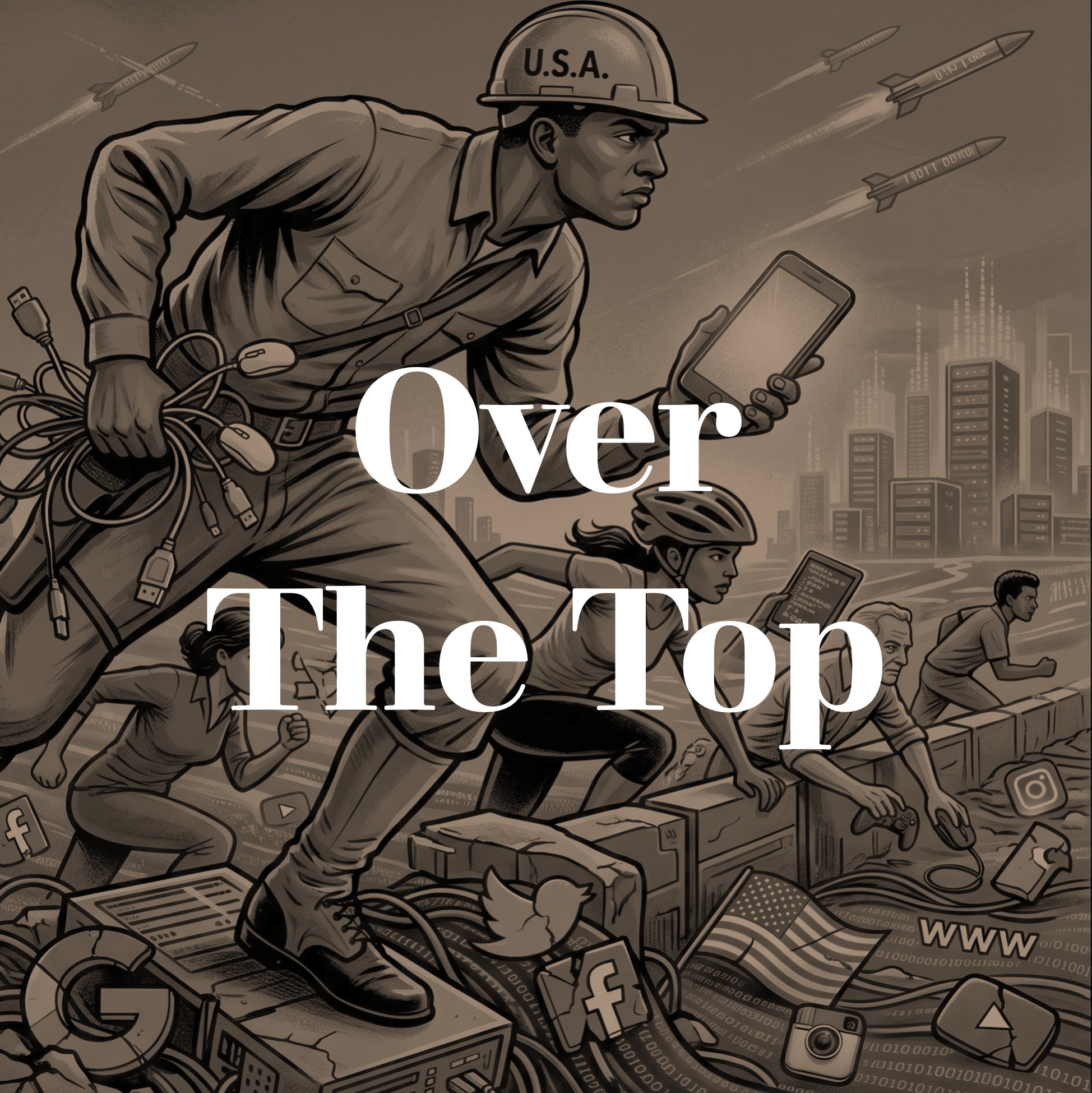
Forecast to be 25% of the world economy by 2030. Companies must co-innovate, co-invest and collaborate to thrive in ecosystems. A design-led approach is essential. Businesses using strategic design outperform their peers.
For perspectives on the Network Economy see our latest essays:



In a complexified world, we help people find their courage and make change last.
REFERENCES
-
Sterling, W. P. (2024, July 9). After the peak: What a century of market concentration teaches. GW&K Investment Management. https://www.gwkinvest.com/insight/macro/what-a-century-of-market-concentration-teaches/
Hassan, H. (2024, January 26). The new era of market concentration. Commonfund. https://www.commonfund.org/blog/the-new-era-of-market-concentration
Russell Investments. (2024). Market concentration: Navigating narrow market leadership and active management. Russell Investments Research.
Spalding, O., Geraghty, C., & Prieto, A. (2026). 2026 state of CX report. Humans In The Machine LTD. https://www.hitme.consulting/2026-state-of-cx-report
Ederer, F., & Williams, S. D. (2023). A wave of acquisitions may have shielded Big Tech from competition. Yale Insights, Yale School of Management. https://insights.som.yale.edu/insights/wave-of-acquisitions-may-have-shielded-big-tech-from-competition
McKinsey Global Institute. (2024). A microscope on small businesses: Spotting opportunities to boost productivity. McKinsey & Company. https://www.mckinsey.com/mgi/our-research/a-microscope-on-small-businesses-spotting-opportunities-to-boost-productivity
Korn Ferry. (2020). Age and tenure in the C-suite: A study of the top 1,000 U.S. companies. Korn Ferry Institute.
Marmer, M., Herrmann, B. L., Dogrultan, E., & Berman, R. (2011). Startup Genome Report 01: A new framework for understanding why startups succeed. Blackbox & Startup Genome Project.
World Economic Forum. (2023). Data unleashed: Empowering small and medium enterprises (SMEs) for innovation and success. World Economic Forum. https://www.weforum.org/publications/future-readiness-of-smes-mobilizing-the-sme-sector-to-drive-widespread-sustainability-and-prosperity/
Russell Reynolds Associates. (2021). Igniting high performance: How top teams navigate four essential tensions. Russell Reynolds Associates. https://www.russellreynolds.com/en/insights/reports-surveys/igniting-high-performance-how-top-teams-navigate-four-essential-tensions
-
Miikkulainen, R., & Stanley, K. O. (2011). Competitive coevolution through evolutionary complexification. Journal of Artificial Intelligence Research, 21, 63–100. https://arxiv.org/abs/1107.0037
Bar-Yam, Y. (2002). Complexity rising: From human beings to human civilization, a complexity profile. New England Complex Systems Institute (NECSI). https://necsi.edu/complexity-rising-from-human-beings-to-human-civilization-a-complexity-profile
Appleton-Weber, S. (2021). Human phenomenon: Pierre Teilhard de Chardin. Liverpool University Press. (Original work published 1955). https://doi.org/10.2307/j.ctv3029qf0
-
Kasser, T., & Hari, J. (2018). Lost connections: Uncovering the real causes of depression – and the unexpected solutions. Bloomsbury Publishing.
Joshi, N. H., Khan, H., & Rab, I. (2021, July 21). A design-led approach to embracing an ecosystem strategy. McKinsey & Company. https://www.mckinsey.com/capabilities/tech-and-ai/our-insights/a-design-led-approach-to-embracing-an-ecosystem-strategy
Atluri, V., & Dietz, M. (2022, October 18). The ecosystem economy: How to lead in the new age of sectors without borders. McKinsey & Company. https://www.mckinsey.com/featured-insights/mckinsey-on-books/the-ecosystem-economy
Singhal, S., Govindarajan, A., Catlin, T., Ramírez, M. J., & Rigby, X. (2026, September 10). The AI economy: Interconnected forces, feedback loops, and speeds of change. McKinsey Global Institute. https://www.mckinsey.com/mgi/our-research/the-ai-economy-interconnected-forces-feedback-loops-and-speeds-of-change
Sheppard, B., Kouyoumjian, H., Sarrazin, H., & Dore, F. (2018, October 25). The business value of design. McKinsey & Company. https://www.mckinsey.com/capabilities/tech-and-ai/our-insights/the-business-value-of-design